
When forgoing a million ringgit profit is an opportunity cost
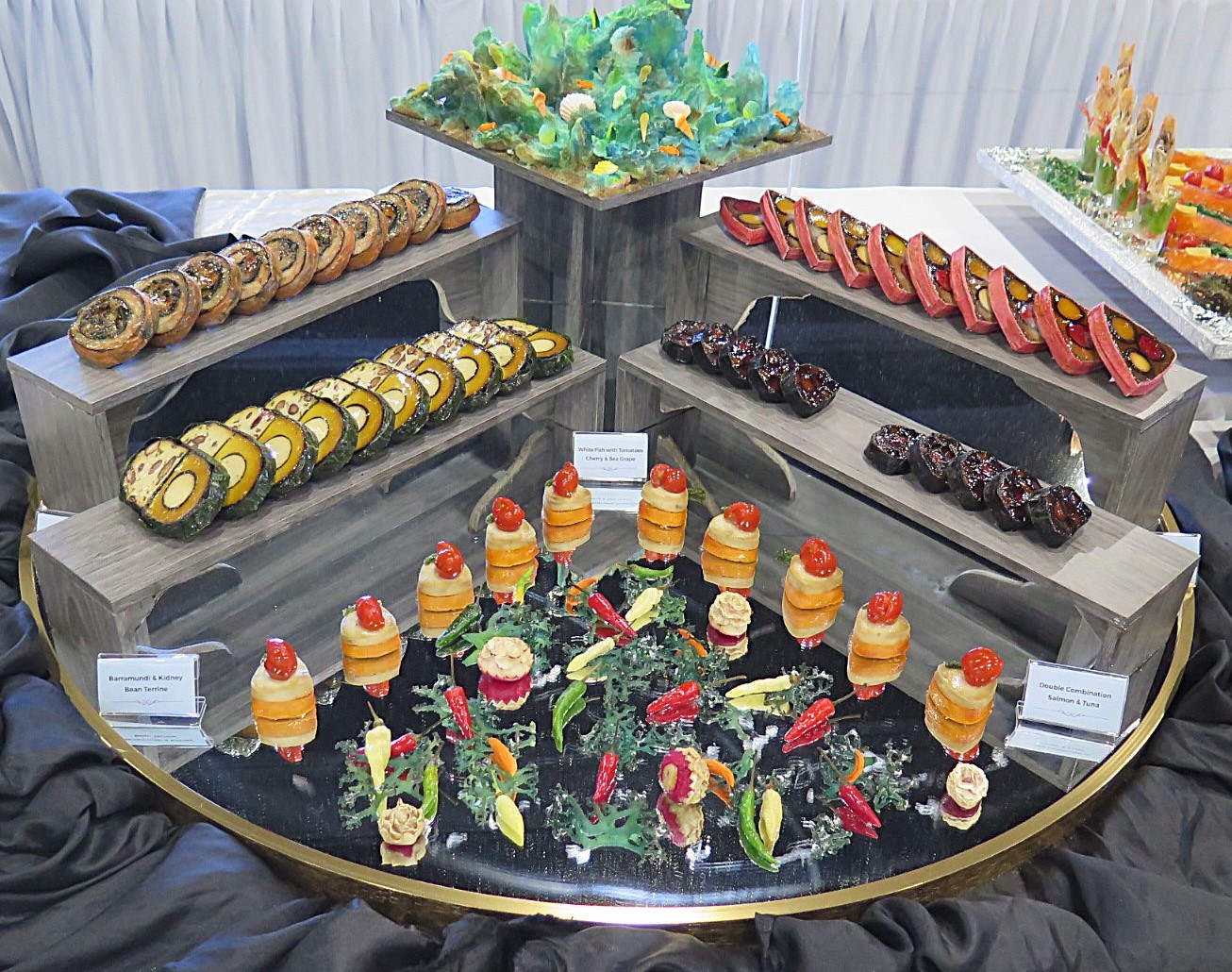
Trade exhibitions are big money spinners. And so, it surprises that the Sabah and Labuan Chapter of the Malaysian Association of Hotels and ATI College have given up staging their very successful food and beverage exhibition which they launched just last year to Informa Markets, a British firm reputed to be one of the leading organisers of exhibitions. Instead, they have partnered Informa in what looks like a lopsided deal to host the “trade-only” Food and Hospitality Malaysia, Borneo Edition, a very much smaller version of its FHM expo in Kuala Lumpur that brings sellers and buyers together. And in the process MAH-SLC and ATI College handed to Informa about RM1m ($235,000) in profit for hosting the three-day FHM, Borneo Edition, from September 26 to 28 at the Sabah International Convention Centre in Kota Kinabalu. Both MAH-SLC and ATI College have gained nothing more than the free use of one of the three exhibition halls from Informa for their popular Sabah Hospitality Fiesta which is in its 24th year.

Alice Lem, Informa’s director of event and business development, told Sabah Insights that her company paid more than RM400,000 for the hall rental. It sold 130 exhibition booths, 20 short of its target, for between RM10,000 and RM13,000 each. This would give Informa an income of about RM1.5m by the back of the envelope calculation. Minus other expenses, Informa would stand to earn a handsome RM1m net profit.

Both Hafizan Wong, MAH-SLC Chairman, and Wong Khen Thau, executive chairman of ATI College, have declined to comment. They see Informa as a springboard to propel their Sabah Hospitality Fiesta onto the international stage. Taking the SHF international has been Mr Wong Khen Thau’s obsession which he spoke of at last year’s event. And it was echoed this year by Christina Liew, the state tourism, culture and environment minister. She wants to see Indonesia, Brunei, Japan and South Korea taking part in the fiesta. “An international dimension will be more impactful in terms of food culture exchange, networking opportunities and tourism promotion,” she said, adding that “the move will enhance the Sabah region’s visibility as a culinary destination.” Thus the money lost is seen as an opportunity cost.
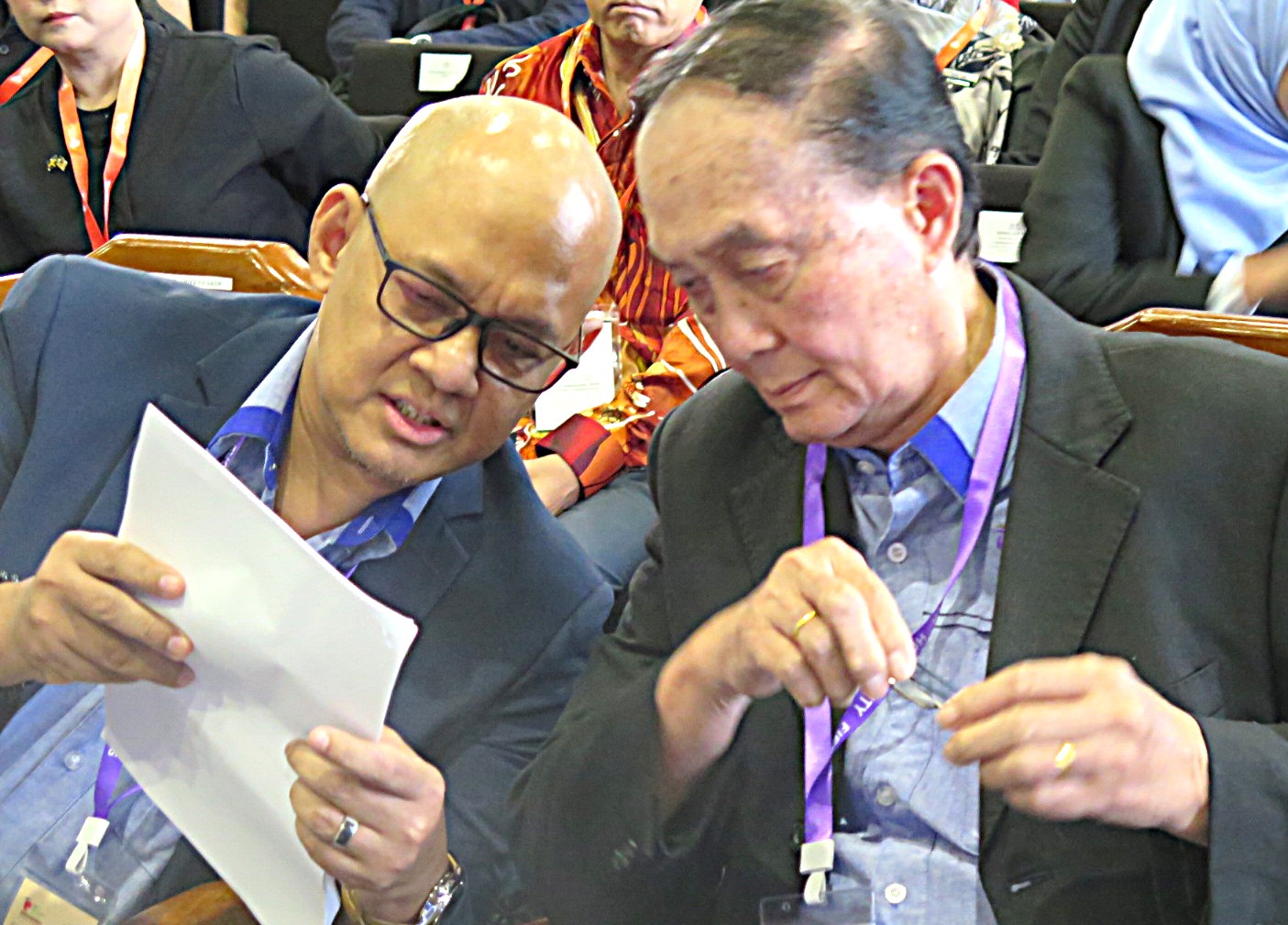
Still, this is small money to Informa. Its Kuala Lumpur FHM, which is a partnership between MAH and Informa for about 20 years, is 10 times bigger than its Borneo edition. And it is one of the biggest such trade exhibitions in Southeast Asia. But the million ringgit could have come in handy for SHF, which according to Mr Wong Khen Thau, one of its advisors, is a non-profit event to showcase local hospitality talents and to allow young people who are keen to join the hospitality industry to learn more of it. The money then could have been used for charity and scholarships to support poor and deserving hospitality and culinary students. Mr Wong founded the SHF in 1997, which is a contest pitting hotel and catering staff against one and another to bring out the best of their skills in food preparation and housekeeping.
The Borneo show drew 33 foreign exhibitors from America, Europe, India and Japan. They are sellers of kitchen equipment such as ovens and sinks, beverages and food ingredients. And they were here to try to sell more of their products in Sabah which has about 700 hotels and 2,000 restaurants. Of course the more exhibitors, the merrier it is for Informa which stands to make more money. But what does the Sabah culinary and hospitality industry gain from having them? Many of these have already been supplying their products to hotels, restaurants and bakeries in the east Malaysian Borneo island state. And many of them were here to exhibit out of goodwill.
It has taken Informa 30 years to come to Sabah despite having been in Malaysia all these years. The reason, says Ms Lem, is that there was no market earlier.
The crowd puller of course was the fiesta which attracted about 3,000 visitors this year as it did last. There were 404 contestants, 79 more than last year’s. Twenty-nine hotels, nine restaurants and bakeries, 15 institutions of higher learning that offer hotel and catering courses, and two teams from Brunei took part in 30 categories of the competition. Shangri-La Tanjung Aru, Kota Kinabalu, was the overall champion in the professional section while the Kolej Vokasional Keningau, in the interior of Sabah, topped the apprentice group.

 Sabah Insights