
Tanjung Aru Beach Festival has galvanized Sabahans’ opposition to TAED
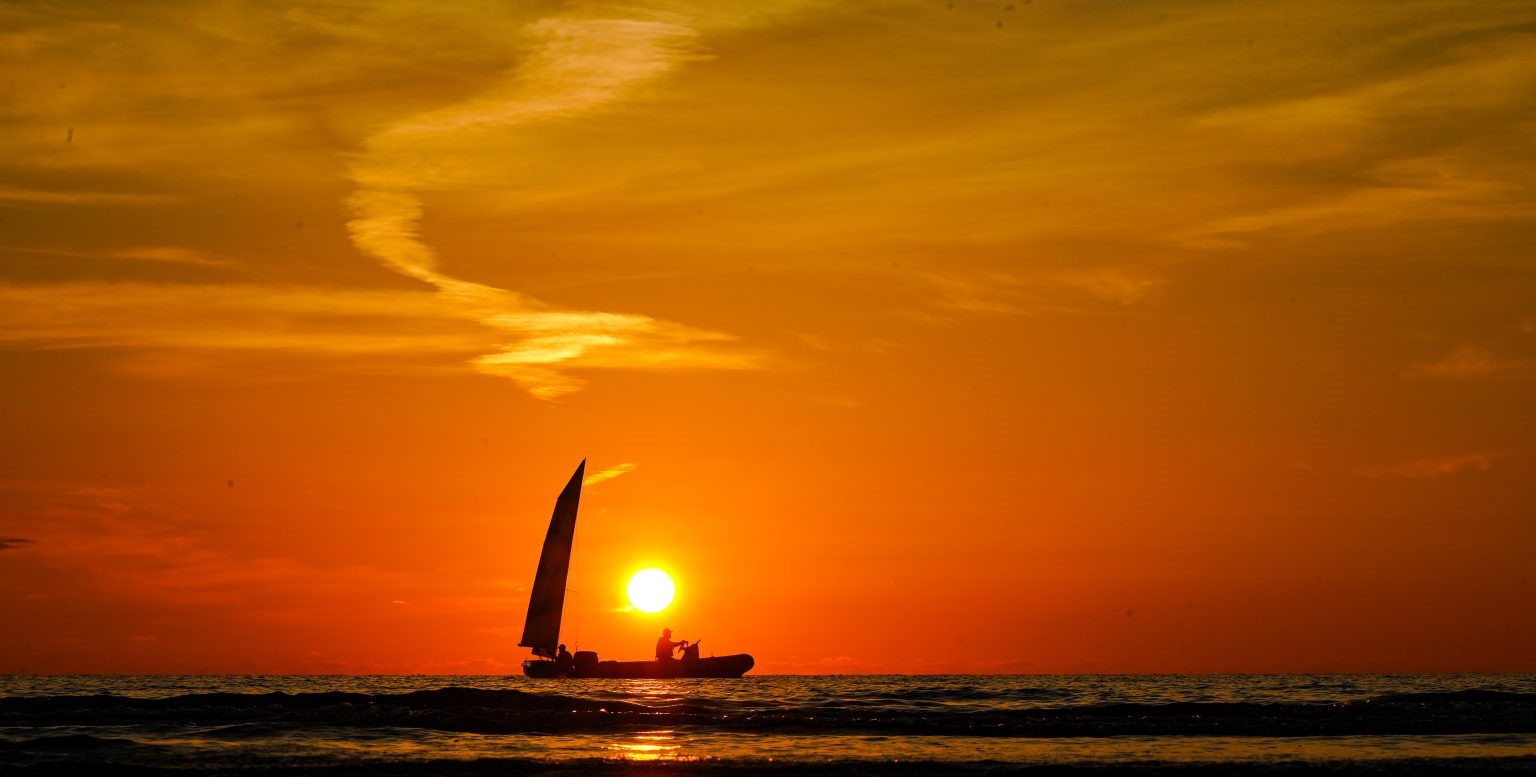
Ten years after its launching, the 7.1-billion-ringgit Tanjung Aru Eco Development to turn Sabah’s most famous and spectacular 2-km beach into a tourism hub remains in limbo all because of opposition from Sabahans and environmentalists. And this has led Christina Liew, minister of tourism, environment and culture, to quip that she has been reminded of “how powerful our community is” in a speech to launch the two-day Tanjung Aru Beach Festival at Prince Philip Park in Kota Kinabalu which ended on September 22. Her speech, which was delivered by her assistant Joniston Bangkuai, paid tribute to Sabahans for being a “living testament to their talent, creativity, and resilience” in their participation of the festival. And if the bosses of TAED think that the festival will mitigate the people’s objection to their project, they are wrong. Rather the festival has galvanized Sabahans’ opposition to it.
State officials said about 15,000 people attended the festival, an increase by half of last year’s attendance. In 2019, the second year of the festival of music, cultural performances, and beach sports such as beach soccer and touch rugby, and plenty of food from vendors catering for different tastebuds, attracted 6,000 visitors. Many more than when it was launched in 2018 largely to allay public fears that Sabahans were losing the 6.5-hectare Prince Philip Park and the adjacent beach to development and to rejuvenate the garden after public criticism that it had been ruined by neglect. TAED was the brainchild of Sabah’s longest serving chief minister Musa Aman. Shafie Apdal’s Warisan party went back on its election promise to end the project after it defeated Musa’s Barisan Nasional government and ended his 15-year reign. It decided to keep it albeit on a smaller scale. Chief minister Hajiji Noor, like his predecessor, is keeping TAED alive.
The festival was absent for three years from 2020 to 2022 because of the Covid-19 pandemic but returned with a vengeance last year with a 10,000 turnout. This pleases TAED chairman Pandikar Amin who now plans to expand the park to 12 hectares at a cost of RM20m. He says that developing the park with more facilities for the public will dispel “all negative perceptions that might affect the present government.” (Read Hajiji’s TAED dilemma)
But he is sorely mistaken. Sabahans will not relent. In fact the original landscape design of the TAED, with a man-made rainforest, won gold at the Singapore Landscape Architecture Awards in 2019. Yet this has not won Sabahans over. The reason is simple: TAED has only set aside a quarter of the 350-hectare development for public access. The rest is private property. Then there is the environmental question. About 70% of the 350-hectare TAED would be built on the beach front reclaimed from the sea at a cost then estimated at about RM1.8b. Although Mr Pandikar says the reclamation has been shelved for the time being because of its prohibitive cost, there is no guarantee that reclamation of land from the Tanjung Aru sea will not be carried out. Without which there would be no TAED. A 15-year sand mining concession to reclaim land from the Tanjung Aru sea was given to Handal Borneo Resources Sendirian Berhad in December 2022. Handal Borneo is a subsidiary of Kuala Lumpur-based Handal Energy Berhad which manufactures offshore cranes for the oil and gas industry.

 Sabah Insights