
Colorectal cancer patients are getting younger
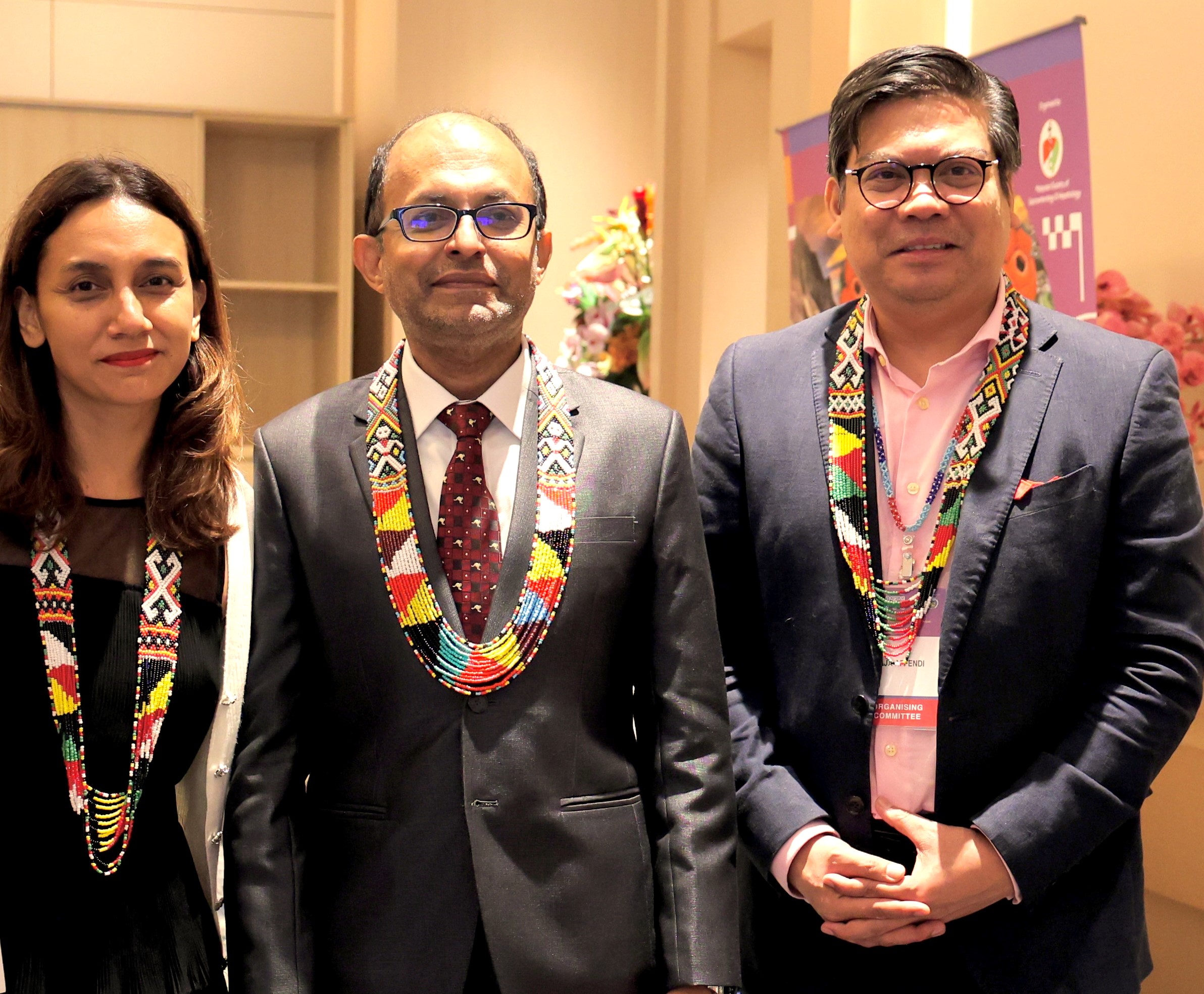
Picture courtesy of Sri Pelancongan Sabah.
Gastroenterologists (specialists in digestive diseases) may differ on diagnosis and treatment of many digestive and liver disorders. But they are agreed that colorectal or colon cancer is the most preventable, treatable and beatable cancer. And this has become their mantra. But who is listening? Colon cancer has unwittingly become the second most prevalent cancer after breast cancer in Sabah. What is worrying is that patients are getting younger. Many of them are in their 30s or even younger. Four-fifths of them turn up in later stages of the disease, according to Dr Raman Muthukaruppan, president of the Malaysian Society of Gastroenterology and Hepatology. And this has sent doctors searching for answers.
But they are unable to pinpoint what is causing younger people to develop colon cancer. The causes are many, ranging from a sedentary lifestyle, unhealthy diet of red meat, processed food and alcohol, smoking, obesity, heredity to a lack of cancer awareness particularly among rural people. Official statistics are not available. But doctors say about 1,400 new cancers are reported every year and some 500 of them may be colorectal cancer. It is the leading cancer in men and the second after breast cancer in women.
Dr Raman heads the department of medicine of the Queen Elizabeth Hospital in Kota Kinabalu. He is a strong advocate of early colorectal cancer screening to nip the disease in the bud. A colonoscope, which is inserted into the large intestine, will detect cancer or polyps which are generally harmless. But some polys such as the sessile serrated adenomas are pre-cancerous. However, they take about 10 years to turn cancerous. Endoscopists will remove all polyps whether benign or pre-cancerous during a colonoscopy. “If you remove them, the chances of getting cancer later on is negligible,” Dr Raman told reporters at GUT2024, an annual meeting of gastroenterologists of MSGH, at the Sabah International Convention Centre last month. This year’s meeting theme is “Fostering towards unity and excellence in tackling digestive disorders”.
The question is how soon should a person screen for colorectal cancer? Dr Raman reckons that the earlier, the better. Say if someone has a father or brother who has colon cancer at 60, then he should undergo colonoscopy at 50 or earlier.
Fifty is the average age recommended for cancer screening in Malaysia. But Dr Ida Normiha Hilmi, a gastroenterologist and hepatologist of the Universiti Malaya Medical Centre in Kuala Lumpur, thinks the recommended age should be lowered to 45 since colon cancer patients between 40 and 50 have increased by some eight per cent in the last 20 years. “We should screen them when they are a bit younger,” she says. However, only one-tenth of colon cancers in Malaysia is inherited, according to Dr Raja Affendi Raja Ali, dean and professor of medicine at Sunway University. The rest, he says, are sporadic as their cause is environmental.
Often colorectal cancer symptoms escape patients’ attention and this could be one of the reasons why patients show up with the disease at stage three or four by which time the cancer has spread to the lymph nodes and other organs such as the liver and lungs. Or, they couldn’t care less about them. Changes in bowel habits such as diarrhoea and constipation are often dismissed. And blood in the stool is often mistaken for haemorrhoids (piles). Other symptoms that are unheeded are unexplained weight loss, persistent abdominal pain and discomfort, unusual tiredness and a feeling of incomplete emptying of the bowel. Low cancer awareness particularly among rural folks is also to be blamed. About 1.5m people live in villages where health facilities are not available.
Sometimes government health clinics and hospitals could inadvertently delay screening and diagnosis of colorectal cancer. These clinics carry out a faecal occult blood test on patients, which is done annually, and then refer them to public hospitals for colonoscopy if the result is positive. But then a negative result may not rule out colon cancer completely. And no colonoscopy is ordered. Patients who are uneasy about the test result can get a colonoscopy done at private clinics or hospitals which charge about RM3,000. The cost of a colonoscopy for Malaysians at government hospitals is less than RM30. But the waiting list is long and it could take up to two months to get a colonoscopy appointment. Thankfully, a colonoscopy is done once every five years.

 Sabah Insights