
Sabah’s tough environment and water resources laws are impotent against polluters
Sabah’s once pristine rivers are so badly polluted that fish and other aquatic life have declined so drastically that the indigenous Muruts who live in remote Pensiangan in the interior of the state no longer go fishing. There are just no fish to catch. Christina Liew, the state tourism, environment and culture minister, acknowledges that river pollution has reached a critical stage; but she is silent on why her Environment Protection Department which has sweeping police powers fails to arrest the problem. Instead she expects participants at a one-day river management workshop in Kota Kinabalu last week to come out with urgent solutions “to develop a clear and comprehensive roadmap for managing rivers in Sabah”
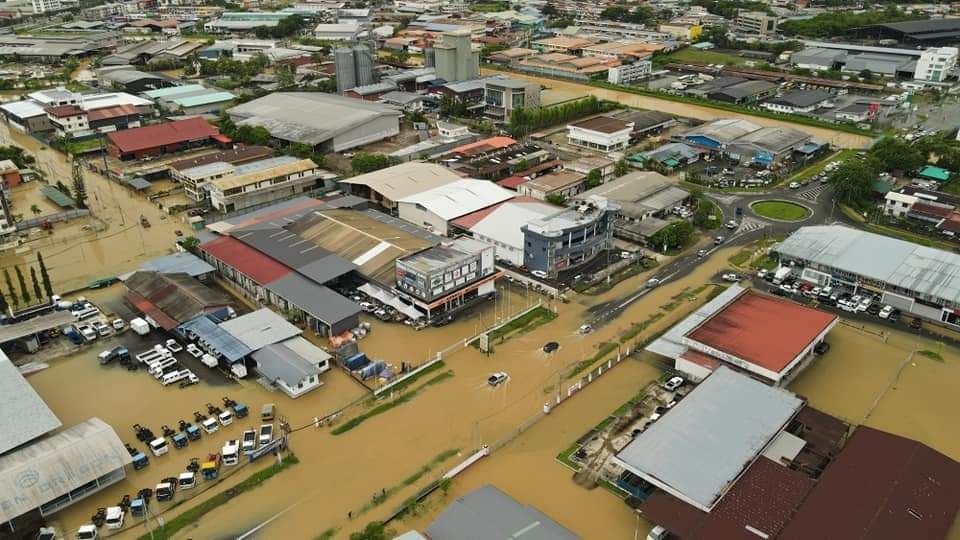
The biggest river polluters are sand mining and timber extraction. Ironically it is the Water Resources Council under the Drainage and Irrigation Department that gives licences to companies to mine river sand and stones with a list of dos and don’ts for the booming construction industry. The Sabah Water Resources Enactment 1998 and the Environmental Protection Enactment 2002 set out stiff penalties of a fine of up to RM50,000 or a jail term of up to five years or both for river polluters. These legislations seem to overlap each other. But meting out punishment is unheard of. Inadvertently Ms Liew has raised the question of responsible and sustainable management of rivers when she alluded to the construction industry ever rising demand for river sand and stones. “It is imperative that we manage our rivers responsibly and sustainably to safeguard our environment,” she said when launching the Workshop on the Way Forward for River Management in Sabah at the Sabah International Convention Centre on September 2. But striking a balance between development and river protection seems rather difficult. It may be 50 years too late: Ms Liew now wants guidelines on timber logging to protect rivers from pollution that has badly destroyed their ecosystem. Rivers are silted and getting shallower as their banks are eroded.
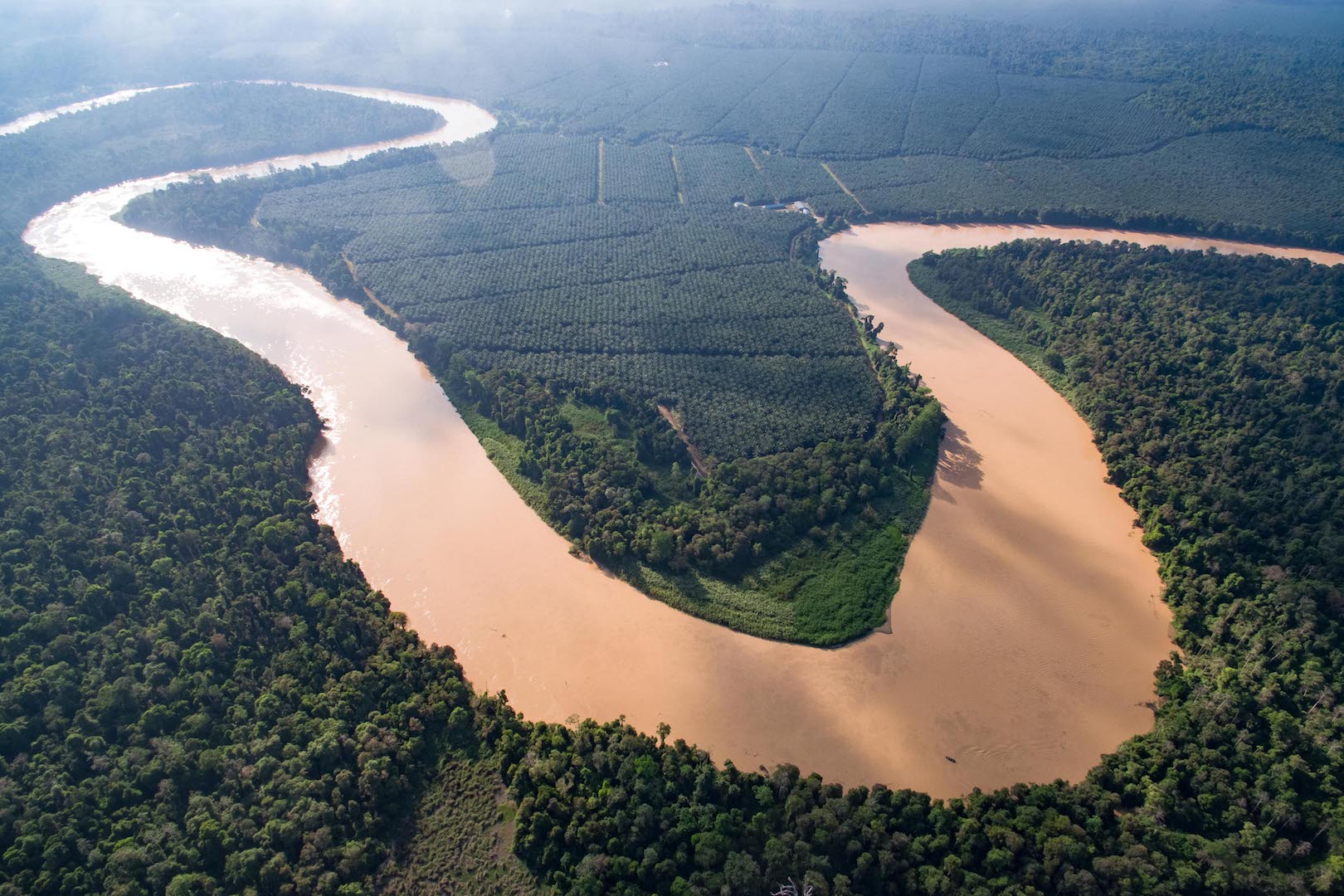
Sabah had experienced immense floodings in the late 1970s and 1980s in its eastern interior region where timber was massively logged, boosting its exports mostly to Japan to earn the state its first billion ringgit. The effect of this logging was that the Kinabatangan river, Sabah’s longest at 560km (350 miles), that flows from Sandakan in the northeast to the Sulu Sea in the southeast, burst its banks. Hundreds of villagers had to be evacuated.
Since then many more rivers are polluted, compounded by sand mining. It seems that timber and sand dredging companies can pollute rivers with impunity. Sabahans lament over the frequent massive flooding of towns and villages whenever it rains heavily as rivers often burst their banks. Government officials are quick to blame the floods on climate change. But that is only one side of the story. Silted rivers are the main cause. Indeed drought and stormy weather are a bane of rivers. Early this year a drought dried up some rivers by half, killing fish and other aquatic species, and caused water shortages. Then thunderstorms followed and caused more damage, flooding towns and villages in the Penampang and Putatan districts.
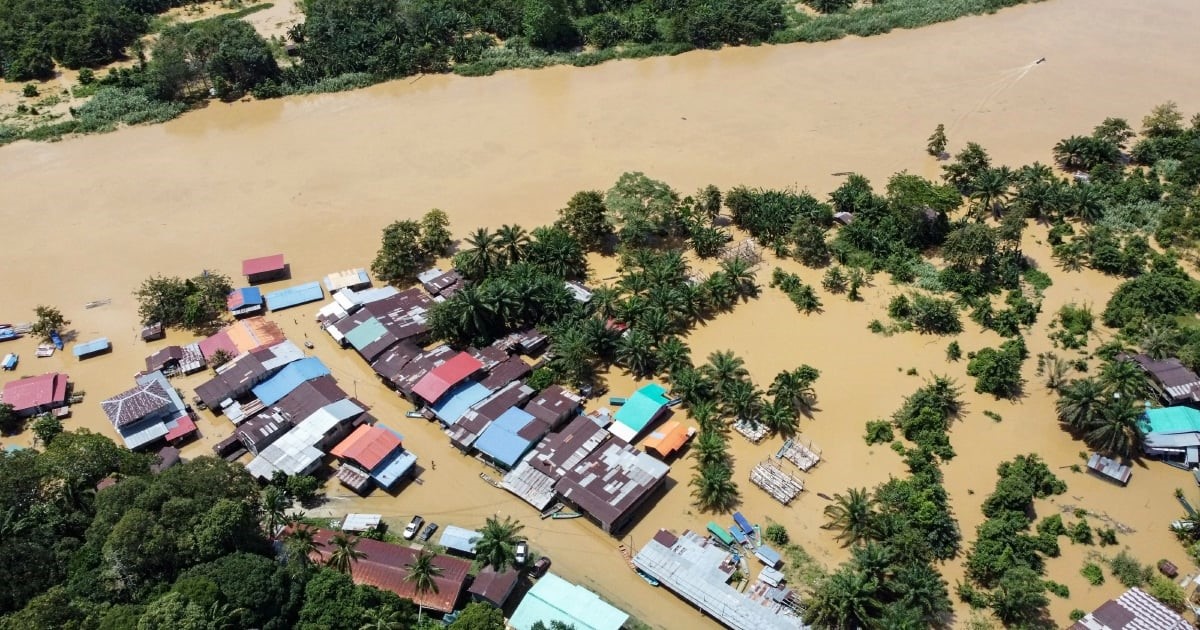
The social and economic importance of rivers is not lost on Sabahans. They are their proverbial rivers of life providing them not just with water for drinking, cooking and washing. Rivers are their source of sustenance. Leisure river activities such as whitewater rafting are a tourism money spinner. And rivers are rich in biodiversity. The riparian (river bank) forests teem with exotic plants and wildlife such as proboscis monkeys.
The question is what road map does Sabah need to manage its rivers when existing laws are rendered impotent by their lack of enforcement.

 Sabah Insights