
Three girls beat the odds in their tourism studies to come up on top
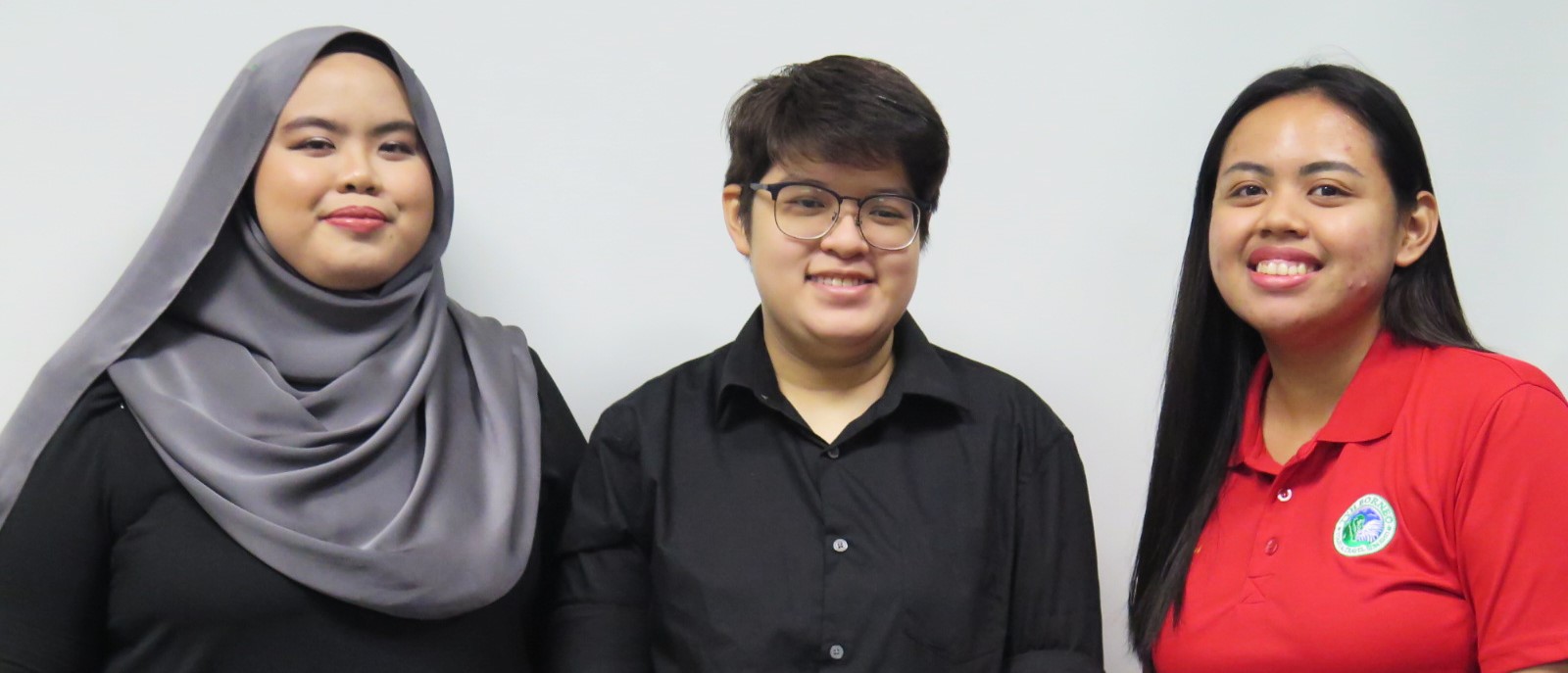
School leavers are at a crossroad when it comes to choosing their careers. Many would take the traditional path: study law, accountancy, medicine, dentistry, engineering or architecture. Some would be happy just to grab the first job that comes along after obtaining their Sijil Pelajaran Malaysia (school leaving certificate). But ATI College’s top students Iman Maryam, Melissa Mercedes Wong Thien Eng and Nurul Syahanah binti Annuar have taken the road less travelled and proven themselves right in choosing tourism. It is Sabah’s fourth most important industry contributing about 10 per cent to its gross domestic product (GDP). Tourism earned the state RM13b last year and employs 430,000 people, about a fifth of Sabah’s 1.9m workforce. The hotel and food and beverage industry employs 193,000 people, about half of all tourism employees.

It is no wonder that interest in tourism education has grown in the last 30 years. There are about 10 institutions, including universities, offering tourism and hospitality courses in Sabah since the ATI College launched them with a pioneer batch of 40 students in 1996. Such courses are easily accessible to anyone who is willing to learn. Iman, 21, didn’t know how to cook and had never cooked until she enrolled for the culinary arts diploma course. And she surprised her family and even herself by winning this year’s Principal Award of her college for being the best student. “I didn’t even know how to start a fire,” she says laughingly. “My dad wanted me to learn how to cook and encouraged me to take up this culinary arts course.” In fact her father Kipli Gitam, a senior officer of the Education Department, found the school for his only child.
Similarly Melissa, also 21, who is the top achiever in culinary arts, wasn’t sure of her career although she felt that her father might have inculcated in her from a very young age the desire to be a cook. “He made me want to be a cook,” she says. Her father Sim Lip works in the oil and gas industry and is passionate about food.
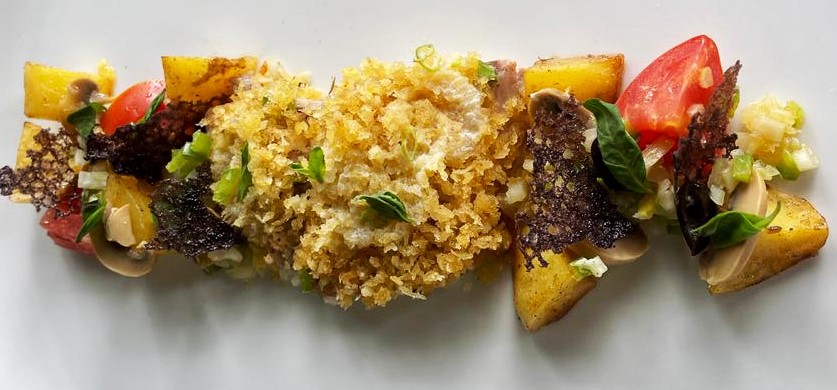
After completing their two-year course last year, Iman and Melissa have acquired enough cooking skills to be able to find an entry-level job as commis (novice) chefs at the Hilton Kota Kinabalu after spending a six-month internship there. They now have a rich repertoire of recipes and are adept at cooking western and Asian food, baking cakes, biscuits, pastries and bread. Iman says she can make many types of Christmas cookies and is looking forward to making cakes and biscuits such as kueh Makmur (Malay traditional biscuits) for Hari Raya Aidilfitri.
Yet their course wasn’t easy. They had to study 30 subjects which were mostly hands-on. “There are no easy subjects,” says Nurul, 24, who had to study 26 subjects which were mostly theory for her diploma in tourism management. She won the top achiever award in tourism. But Nurul does find the nature tourism subject difficult because the Covid-19 lockdown stopped her from going to the ground.
The Covid-19 pandemic of 2020 was the only downside for the girls and the movement restrictions that followed weren’t what the girls had bargained for when they enrolled in their courses. Not able to go to classrooms, they were ill-prepared for online learning with its many pitfalls. There were times when they were unable to attend online classes or submit their assignments because of power cuts, slow internet connection or none of it at all. Noisy families were a constant distraction. “When you have a family of five who are confined in a house, it’s bound to be noisy,” says Melissa who is the eldest of three siblings. She has a sister and a brother. “There were times when I couldn’t find information I need from the Internet and I had no access to libraries because of the Covid-19 lockdown,” says Nurul. Iman says learning at home by herself lacks motivation, unlike in a classroom.
Yet these drawbacks didn’t stop them from completing their courses. And it has been a salutary lesson for them as they learnt to cope with their situation. They know that they can carve out a career in the hotel and tourism industry once they have acquired the skills. Melissa plans to take a degree in culinary arts or hotel management. She hopes to open a small café while Iman wants to be a lecturer in culinary arts after obtaining a degree. Nurul aims to be a tour operator. She works as a tour consultant with TYH Borneo Tours and Travel Sendirian Berhad.
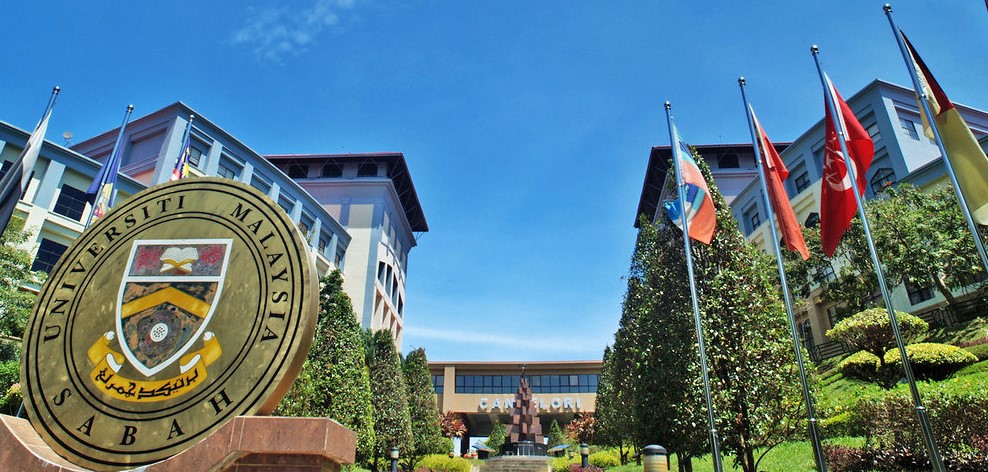
For many a school leaver, a diploma or degree course in the hotel and tourism industry may seem to be a good option because career prospects are bright as there are many jobs available. And they don’t have to travel overseas and spend a lot of money for these courses which are at their doorstep. Fees are relatively low. The Universiti Malaysia Sabah (UMS) offers a three-and-a-half-year degree course in hospitality management for RM6,865 while the University College Sabah Foundation (UCSF) offers a two-and-a-half-year diploma in hotel management for RM22,500. Iman and Melissa paid RM22,290 for their culinary arts diploma course while Nurul’s tourism management course cost RM19,740. All courses include a six-month internship. Government study loans are easily obtainable from the Perbadanan Tabung Pelajaran Tinggi Negara (PTPTN), the National Higher Education Fund Corporation. Borrowers start to repay their loans one year after their graduation. And there are scholarships. Nurul got hers from the Sabah government.

 Sabah Insights