
Environmentalists scramble for answers as a post mortem is inconclusive
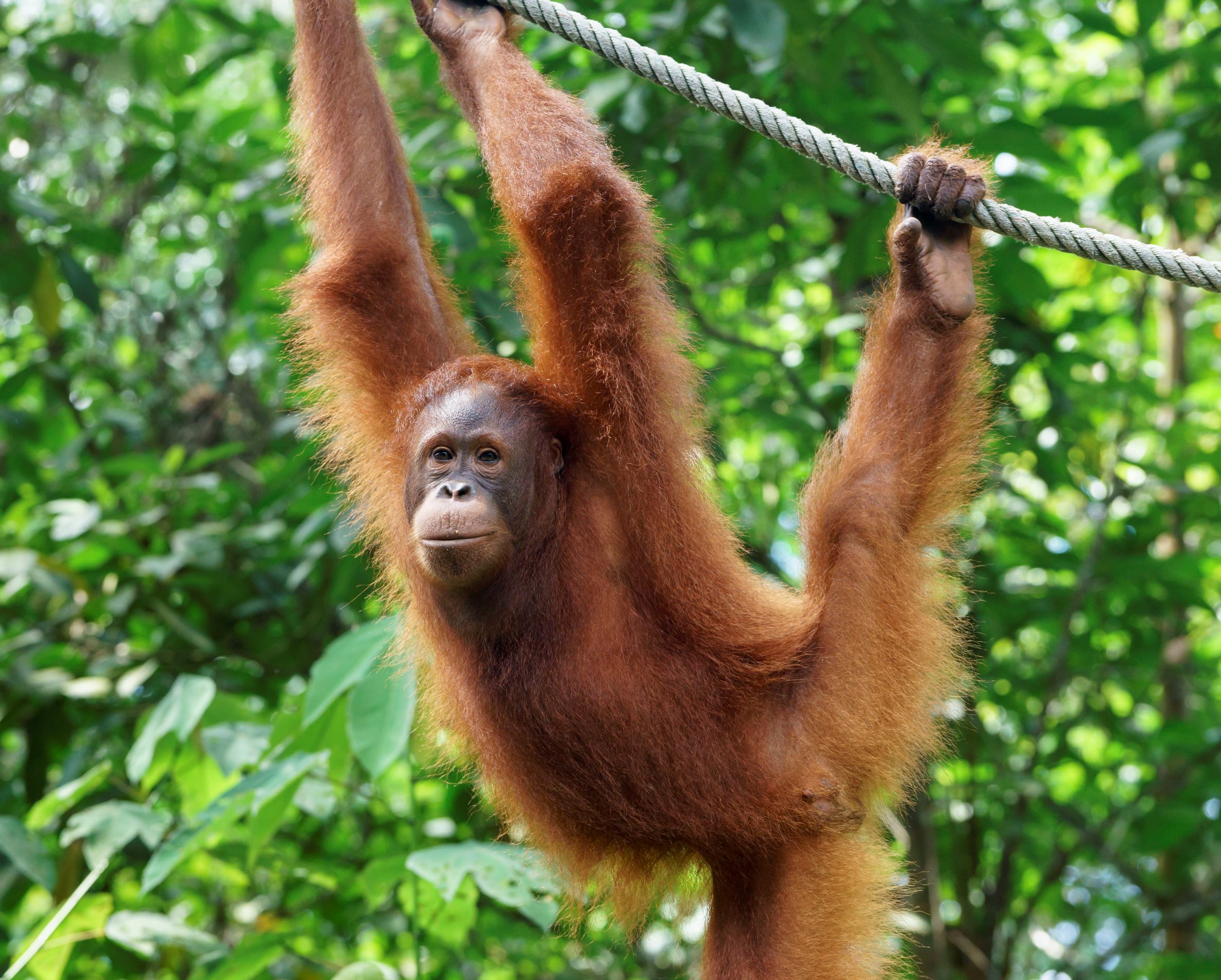
A dead male orangutan found floating on the Kinabatangan river in northeast Sabah last week has sent environmentalists scrambling for answers as a post-mortem failed to find the cause of his death. The autopsy performed by a veterinarian at the Danau Girang Field Centre as soon as the orangutan was found has ruled out foul play saying there were no gunshot wounds in the 10-year-old primate’s body. The DGFC run by Sabah Wildlife Department and Britain’s Cardiff University studies wildlife. No bones were broken. Neither were there any signs of an attack except for a bruise in the neck that could have been caused by a fall from a tree into the river, according to Christina Liew, minister of tourism, culture and environment. Augustine Tuuga, Sabah wildlife director, said the orangutan might have drowned. These arboreal anthropoid apes can’t swim. Yet the post-mortem didn’t say that the orangutan drowned. His organs are said to be healthy. Ms Liew said the orangutan’s heart, lungs, kidney, gallbladder and liver would be sent to a laboratory for further investigation.
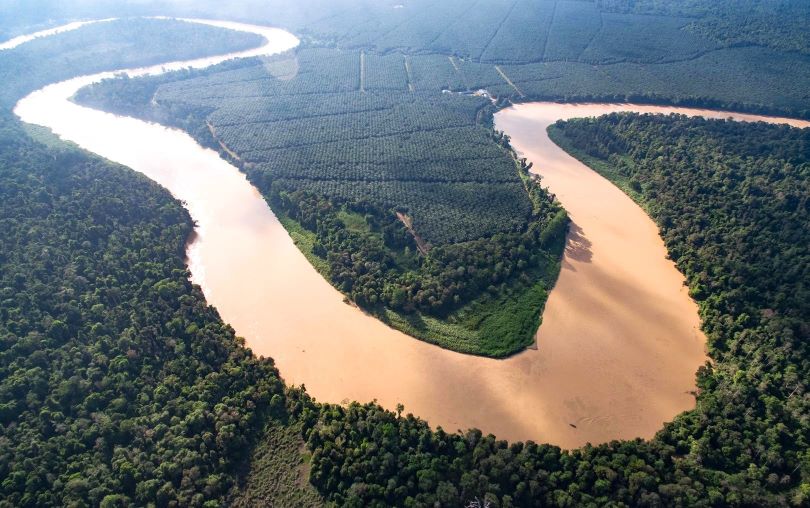
Wildlife conservationists are particularly sensitive to any killing of orangutans as logging and opening up of forest land for oil palm cultivation have wiped out almost 97 percent of the primates in the 20th century. There are about 15,000 of these animals in Sabah, often referred to as man’s second closest cousins after the chimpanzees. Orangutans and humans share about 97% of their DNA. Chimps: 99 percent. Officials estimate that there are about 105,000 orangutans on the island of Borneo – the world’s third largest island shared by the east Malaysian states of Sabah and Sarawak, the sultanate of Brunei and the Indonesian province of Kalimantan.
The International Union for Conservation of Nature (IUCN) has listed the orangutans as “critically endangered” on its red list. In Sabah, the killing or hunting of an orangutan is punishable with a maximum five-year imprisonment. The minimum sentence is one year. In 2014, two oil palm plantation workers from the Philippines were jailed four years for brutally killing a 15-year-old orangutan in Sabah.
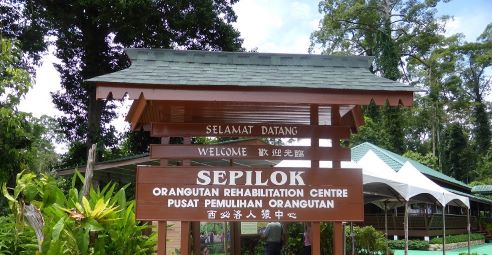
In 1964, The Sabah government set up an orangutan rehabilitation centre in the jungles of Sepilok, in the east coast town of Sandakan to rehabilitate baby orangutans orphaned by deforestation and hunting. They are sent back into the wild once they are deemed to be able to fend for themselves. Environmentalists say Sabah has lost about 22,900 square km (about 32 times the size of Singapore) of its rainforest, the orangutan’s habitat, in the past 60 years.

 Sabah Insights