
Why Tawau Hills Park must be protected at all cost

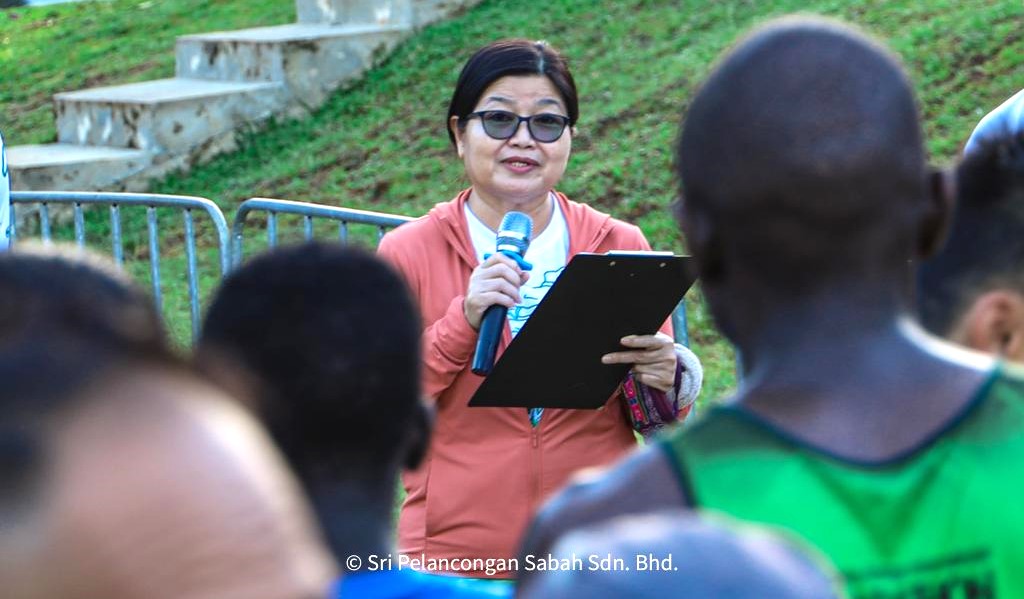
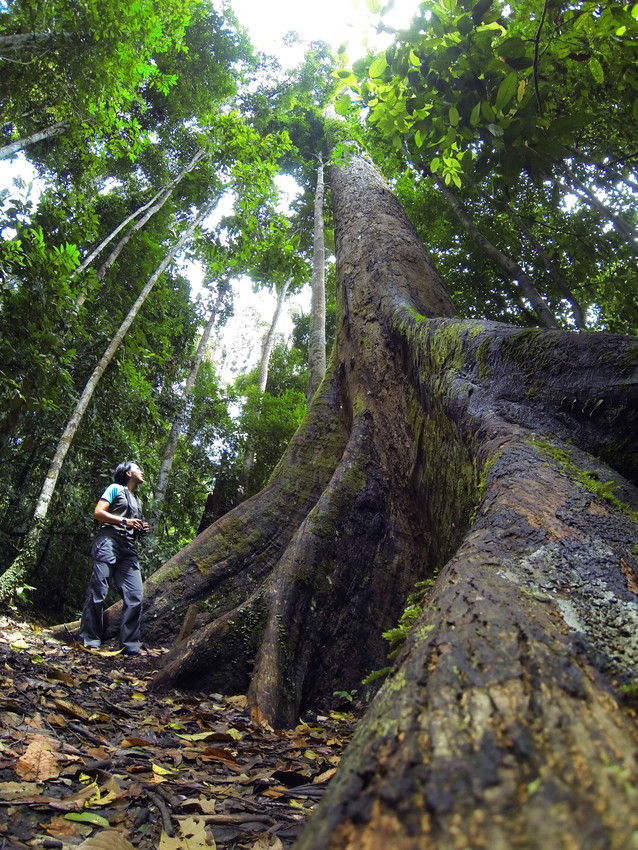
“The Tawau Hills Park is not merely a backdrop for a run,” said Alesia Sion, deputy permanent secretary of the tourism, culture and environment ministry, at the Tropical Rainforest Run on November 26. “It is a sanctuary that deserves our utmost care and protection.” Indeed. The only reason that the 280-square-km park was set up in 1979 was to protect its water catchment from loggers. They had tried to chop down valuable tropical hardwood trees in one of the last remaining lowland virgin forests where some of the world’s tallest trees stand to almost 100 metres tall. Yet temptation reigns supreme. But state officials are banking on sports tourism to keep it in check.
About three times the size of Labuan island, the park is the birthplace of seven rivers which supply about 19m litres of water a day to almost half a million people in Tawau, Kunak and Semporna. But as in most of Sabah, taps often run dry in Tawau. When El Nino struck in 2016, Tawau people were very upset with one opposition lawmaker asking if logging in the catchment areas was the cause of rivers drying up.
Timber is still an important export earner after petroleum, palm oil and cocoa. Last year it earned Sabah about RM600m. It used to be the state’s chief earner and Tawau was a top timber producer earning its name as a “timber town”. In fact almost the whole of Tawau town was built on timber wealth. But massive logging has taken a toll on the rainforest. Oil palm and cocoa plantations have replaced them. Environmentalists say Sabah has lost about 22,900 square km (about 32 times the size of Singapore) of its rainforest in the past 50 years. This is about a third of Sabah land mass.
The park has since been a popular place for picnic, hiking and camping. It teems with people at weekends and during school holidays. It is home to three extinct volcanoes, Mount Magdalena, the tallest at 1,310 metres, Mount Lucia (1202 metres) and Mount Maria (1083 metres), exotic plants such as the elephant ear orchid (Phalaenopsis gigantea) and animals such as the Bornean gibbons, grey-leaf monkeys, red leaf monkeys, hornbills, rare pheasants and civet cats. Stunning waterfalls and a dozen sulphuric hot springs complete the picturesque scene. Yet there has always been this nagging feeling that public awareness of nature conservation, particularly to protect the valuable rainforest, may have fallen short and that efforts to conserve the park may have not been enough to deter illicit logging.
In 2019 the Sabah Tourism Board launched the Tropical Rainforest Run ostensibly to help Tawau tourism. It drew 230 runners; six of them from Kenya and nine from Indonesia, but had to be abandoned until this year because of the Covid-19 lockdown. Last month race saw a smaller field of 214 runners; but it had more participants from foreign countries, notably Australia, Canada, Japan and Singapore which are conservation-conscious. The run is challenging and exhilarating going uphill for 10.5 km to a height of 800 metres before running back downhill. Along the way runners took in stunning sights of rivers and waterfalls, exotic fauna and flora which would only strengthen their conviction to help in the park’s conservation when the need arises.
Ken Pan, chairman of Sri Pelancongan Sabah, a subsidiary of the Sabah Tourism Board, which organised the run alluded to this: “This run isn’t just about personal achievements; it’s about the collective impact we can make”, he said, as he flagged off this year’s run. “The rainforest, with its rich biodiversity, relies on our awareness and support.”

From left to right: Sabrina binti Sahirin (2nd runner-up), Ken Pan, Alice Kabura Njorage of Kenya (champion) and Jessica binti Lintanga (1st runner-up). Sabrina and Jessica are Malaysians. – Picture by Sri Pelancongan Sabah
Indeed the runners, particularly the foreigners, were drawn to the run aware of how much a treasure the Tawau Hills Park is to the naturalist and how important it is to the Tawau people as their main source of water supply. Winning the race, divided into four categories for men and women open and veteran participants, was secondary. They happily paid the entry fee of RM208 and travelling expenses to take part in the run.
Next year Sri Pelancongan will promote the Tropical Rainforest Run to Malaysian and foreign running clubs. It also plans to invite famous trail runners to take part. But it has set a safe target of 300 runners that will not unduly disturb the environment of the rainforest. Tawau Hills Park cannot risk having hordes of tourists trampling all over it no matter how tempting the tourist dollar is.

 Sabah Insights