
Although there is no cure for the disease, health experts say its early detection can help patients live better

One in five elderly patients suffer from dementia in Sabah, according to doctors who are familiar with the disease. More than three-quarters of them have Alzheimer’s that robs them of their memory and ability to take care of themselves. And the number is rising.
“It’s frightening,” says Dr Gordon Pang, a geriatrician who has treated a few thousand patients for age-related illnesses in his 13 years with the Queen Elizabeth Hospital in Kota Kinabalu. He heads the hospital’s Geriatric Unit. Together with his colleague Dr Lua Chong Teck, a geriatric psychiatrist, they treat most of the dementia patients.
Dr Pang told a recent seminar on dementia and Alzheimer’s disease at the Gleneagles Hospital that one-fifth of his patients have dementia and most of them suffer from Alzheimer’s. However, he declined to give figures. Official statistics of the illness for Sabah is unavailable. Alzheimer’s disease, which damages the brain and thus impairs cognitive functions, is the most common of the six types of dementia.
But all is not lost. Although there is no cure for dementia, its early diagnosis will allow doctors to help patients slow down the disease. This, doctors say, will help them cope with it through mental and social activities. Those aged between 60 and 70 could then expect to live for between 10 and 20 more years. The problem, however, is the difficulty in detecting the onset of dementia because symptoms such asì forgetfulness may not be a sign of dementia.
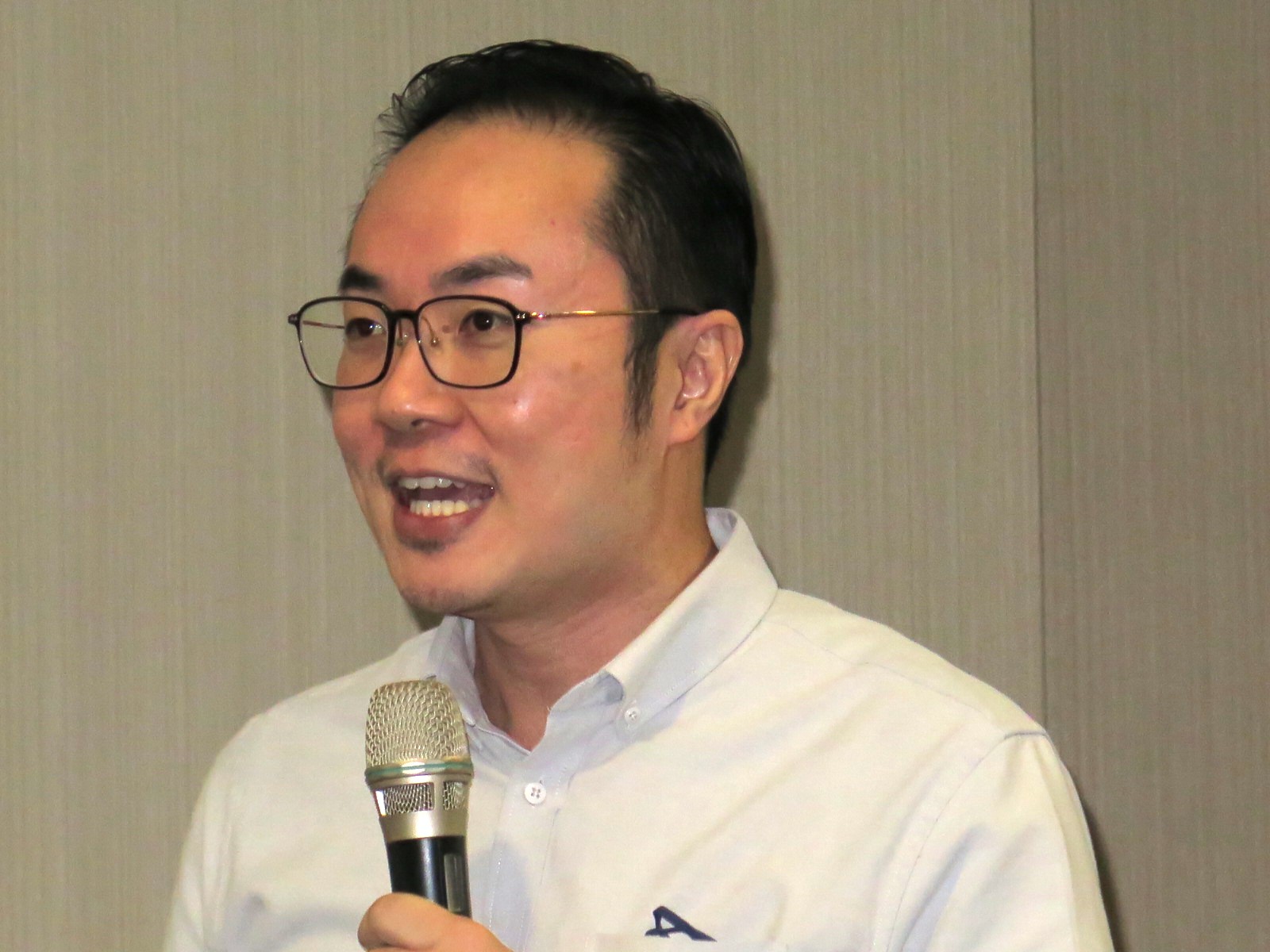
Dr Pang speaks of a long and laborious process of questioning a patient to determine if he has dementia. Since the disease develops progressively over the years, identifying the earliest stages of dementia would help doctors slow down its progress.
Doctors stress that dementia is not a part of aging, although it affects mostly people in their 60s or older. But many people assume it is because the early signs such as forgetfulness can be confusing and conflicting. People as young as those in their 20s can have dementia such as those who injure their brain in accidents or those who have an over-active or under-active thyroid, health experts say.
Doctors want to cut down a person’s risks of dementia as much as possible. But they are set back by the lack of a national policy to deal definitively with the disease. Yet doctors say treatment may sound relatively simple once the start of dementia has been diagnosed. Dr Pang says physical exercise like walking, mental and social activities, control of emotions and a Mediterranean diet of seafood rich in Omega-3, vegetables, fruit, nuts, whole grains, seeds and olive oil may be all that are needed to reduce the risks of dementia.
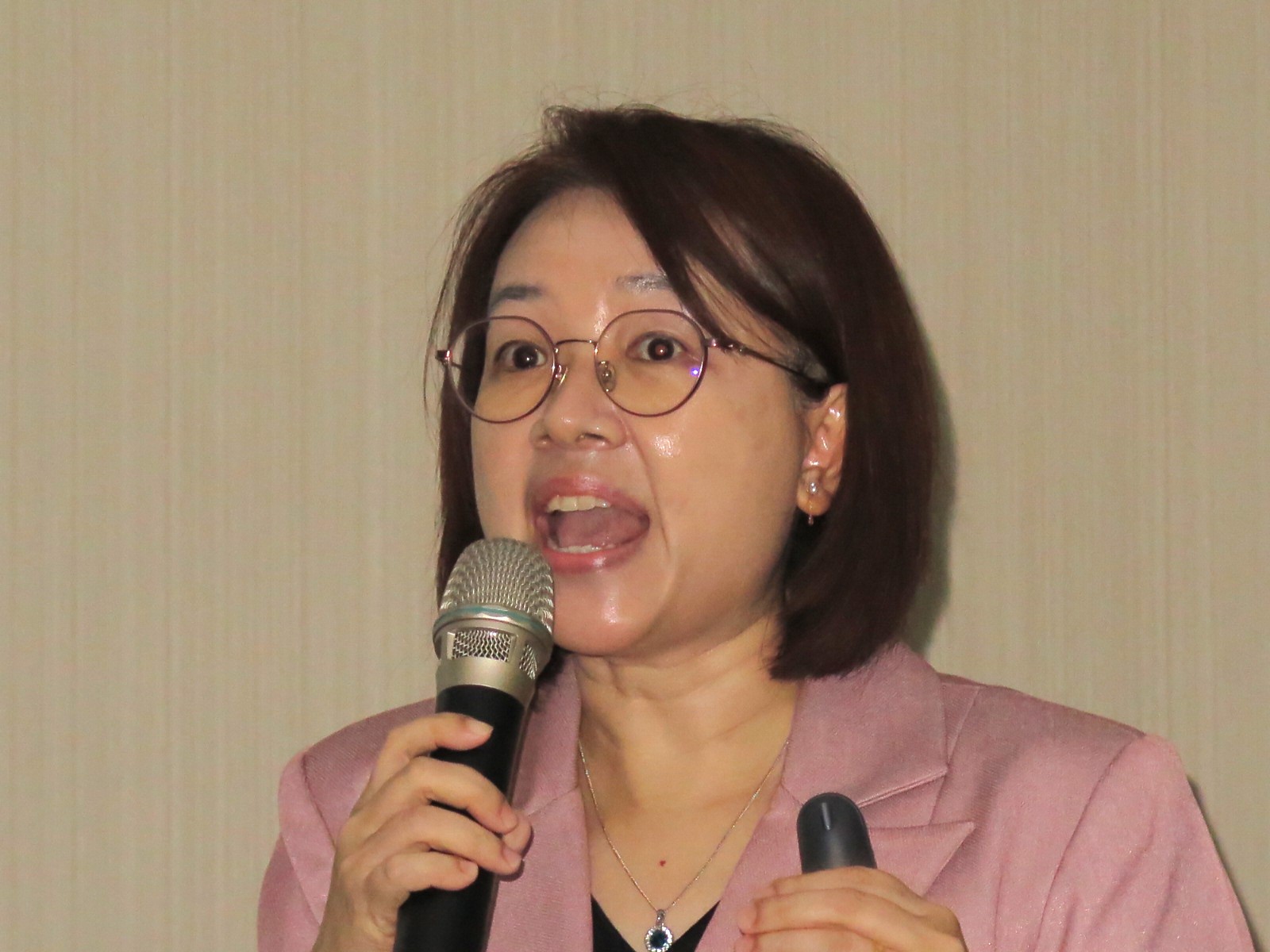
Psychotic drugs are only prescribed as a last resort and mostly to calm patients who are agitated, aggressive or violent, according to Dr Wah Kheng Yee, a psychiatrist at Gleneagles. They can increase the risks of mortality, she says.
Public apathy, ignorance and stigmatisation of the disease are drawbacks to keeping dementia in check. By the time patients seek medical treatment, the disease has progressed to a serious stage. This is when children are no longer able to cope with their elderly parents. Most patients would need round-the-clock nursing care as they can no longer fend for themselves. Thus nursing homes have since mushroomed in Kota Kinabalu as children put their dementia suffering parents there because they are unable to care for them at home.
“We are dealing with a second early childhood but with very different approach,” says Kent Chau who runs the Comfort Aged Center, one of 30 nursing homes that have sprung up in Kota Kinabalu in the last ten years.
But nursing homes do not come cheap. Mr Chau’s Comfort Aged Care Center charges RM4,500 a month for residential care and RM1,900 a month for day care from 8am to 5pm. Inadvertently, dementia has come to be known in Kota Kinabalu as a rich-man’s disease as only the very affluent can afford such nursing care. Medical treatment at government hospitals is free.
Doctors worry about the poor and those who live in rural areas where there are no health facilities. More troubling is that about three-quarters of dementia patients are not diagnosed and so are not treated or cared for, according to health experts.
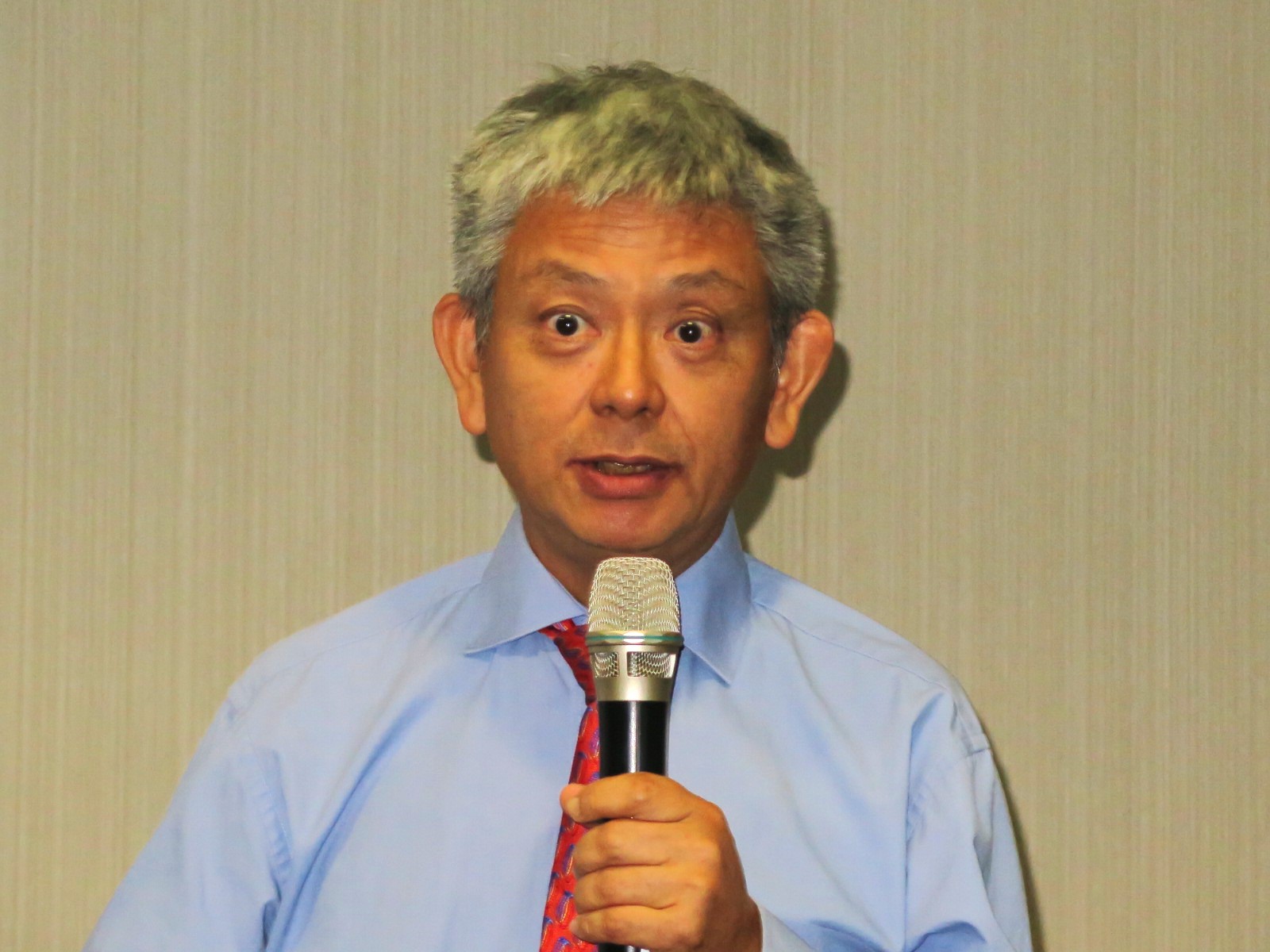
However they are now hopeful that a national dementia action plan that is expected to be launched in September will be able to address the problems.
Such plans or policies were mooted by the World Health Organisation under a 10-year Global Action Plan for dementia launched in 2017. It aims to get 75 percent of countries to formulate national policies or action plans to improve the lives of people with dementia, their families and carers, and ultimately to prevent the disease.
Doctors say dementia is preventable as there are elderly people, some 90 years old or older, who do not suffer from dementia. The key is early detection of the symptoms and proper preventive care. They expect the national dementia action plan to make dementia a public health priority and to encourage early screening of elderly people for signs of the disease.

 Sabah Insights