
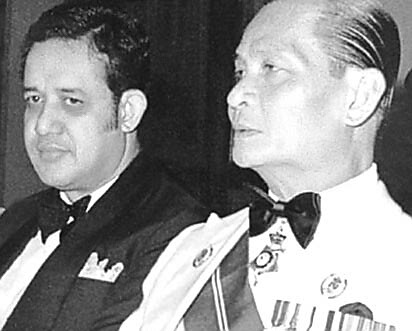
It may be Malaysia’s strangest court case in which the living fight tooth and nail over a dead man’s honour. Only that victory is likely to be pyrrhic; whichever way it goes. Syed Kechik Syed Mohamed died a broken man at 81 in 2009, leaving an estate of 400m ringgit ($99m) and without exonerating himself of the wrongs Sabah accused him of. In a civil suit brought against him by the trustees of Sabah Foundation, a philanthropic trust, the Sabah high court in 1999 found him guilty of fraud and to have breached his fiduciary duty as the Foundation director. A book, “Vendetta and Abuse of Power”, which tries to clear his name, albeit posthumously, is now the subject of a libel suit brought by former chief minister Harris Salleh. But the three days of open court hearing which began on August 23 turned out to be a sparring match between Mr Harris and those he is suing for defamation.

The Vendetta book isn’t the first to try to clear Mr Kechik’s name. A few months after the collapse of Mustapha Harun’s government in 1976, an American Bruce Ross-Larson wrote and published a book in praise of him: “The Politics of Federalism, Syed Kechik in East Malaysia”. (Syed Kechik had hired him to edit a book on the Sabah Foundation in 1974.) It boosted Mr Kechik’s ego, crediting him with putting Mr Mustapha and his United Sabah National Organisation in power and pouring scorn on Sabahans in Mr Mustapha’s inner circle. It says, rather demeaningly, that Mr Mustapha regarded Mr Kechik as “something of an amulet of his political fortunes.”
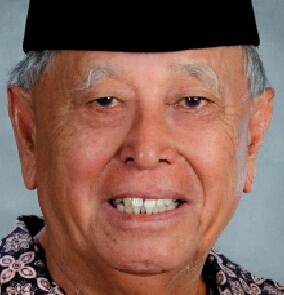
Fifty years ago, Mr Kechik made the east Malaysian state his springboard to politics, fame and fortune. He owed it to his childhood friend Senu Abdul Rahman who was minister of information and broadcasting. Mr Senu made him his political secretary. Straight from law school, Kuala Lumpur sent him to Jesselton (the old name of Kota Kinabalu) as a propagandist for the Malaysian government. Those were difficult days after Singapore’s expulsion from Malaysia in August 1965. Borneo leaders, notably Sarawak’s Stephen Kalong Ningkan and Sabah’s Fuad (Donald) Stephens were thought to be wanting to take their states out of the new federation that was formed two years earlier. Mr Kechik’s job was to foil such attempts.
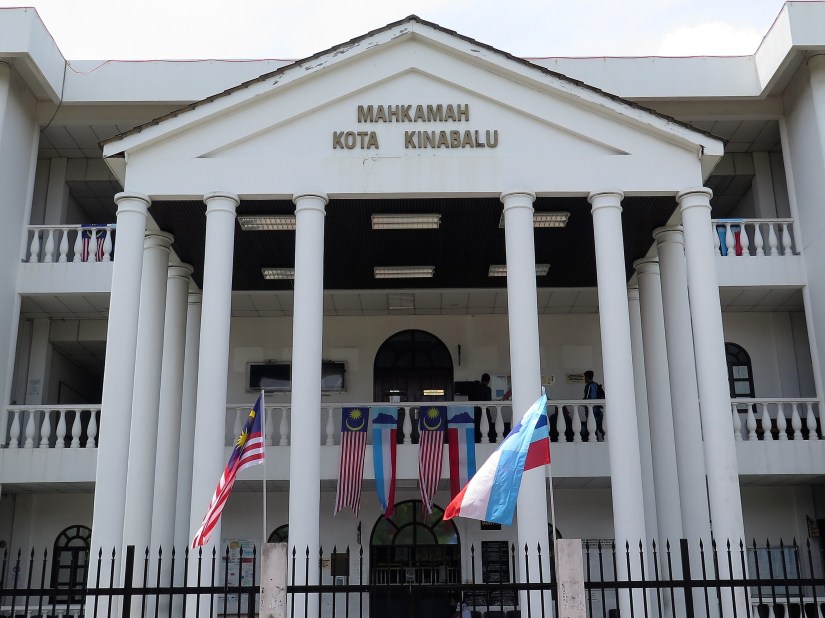
He soon became Sabah’s biggest public enemy as he grew in stature as Mr Mustapha’s right-hand man and legal adviser to Usno. Mr Mustapha spent much of his time overseas and left the state administration to Mr Kechik to the chagrin of Sabah cabinet ministers. Reluctantly, they and senior civil servants had to take orders from him. They resented him as an outsider from the northern peninsular Kedah state. Their worst fear of Malaysia had come true: that Kuala Lumpur would interfere in their state’s administration and politics. Mr Harris told judge Ravinthran Paramaguru that Mr Kechik was one of the reasons his Parti Berjaya defeated Usno in the 1976 election. His party had attacked him in its election campaign and promised to expel him from Sabah when Berjaya came to power.
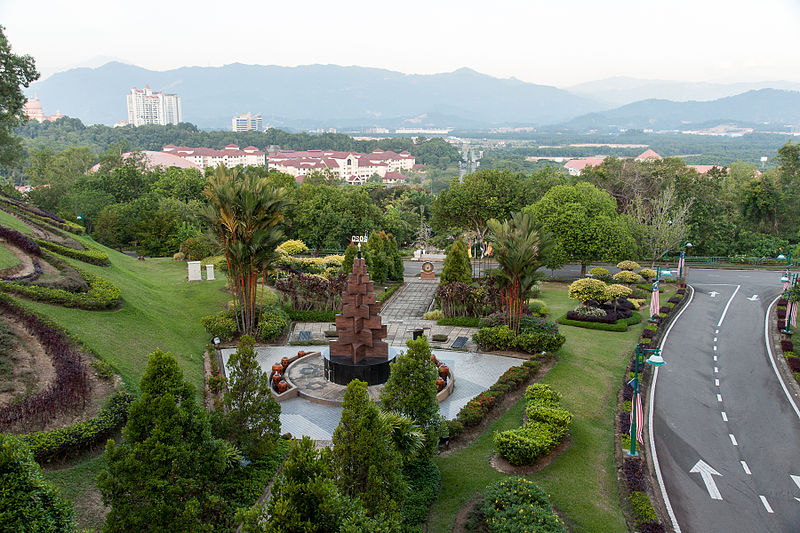
Mr Mustapha ruled with an iron fist for nine years, armed with special powers that the federal government gave him when it declared a national emergency in the aftermath of the 1969 race riots in Kuala Lumpur. They included police power to detain anyone indefinitely. But those powers were used to quell political dissents. And Mr Mustapha and Mr Kechik struck fear in Sabahans. Yet Mr Kechik’s role here wasn’t clear. As chairman of the state operations committee, Mr Mustapha signed all detention papers. Political opponents, particularly those who opposed Usno in Sabah’s first election in 1967 were summarily detained without trial.
Elections in subsequent years saw candidates of the Sabah Alliance, the forerunner to the Barisan Nasional, returned to office unopposed. Fearing arrest, few dared to stand against the ruling party. Those who did had their nomination papers rejected on technical grounds. The emergency powers gave Mr Mustapha free rein to do as he liked. But finally the late prime minister Abdul Razak Hussein took them away when Mr Mustapha questioned Sabah’s position in Malaysia. And the Berjaya party was born to challenge him.
Mr Kechik was shrewd. Opportunities to amass wealth from Sabah’s virgin forests, land and natural resources didn’t escape him. Much of Sabahan resentment of him stemmed from his Sabah wealth. Mr Harris told the judge that Mr Kechik made 483m ringgit in the 10 years that he was in the north Borneo state. One of the Sabahans’ grouses was that Mr Kechik became a native of Sabah in order to buy village land on the cheap and sell it later at a higher price for a profit. Mr Harris told the court that Mr Kechik was able to buy land for as cheap as between 100 and 150 ringgit an acre from native villagers.
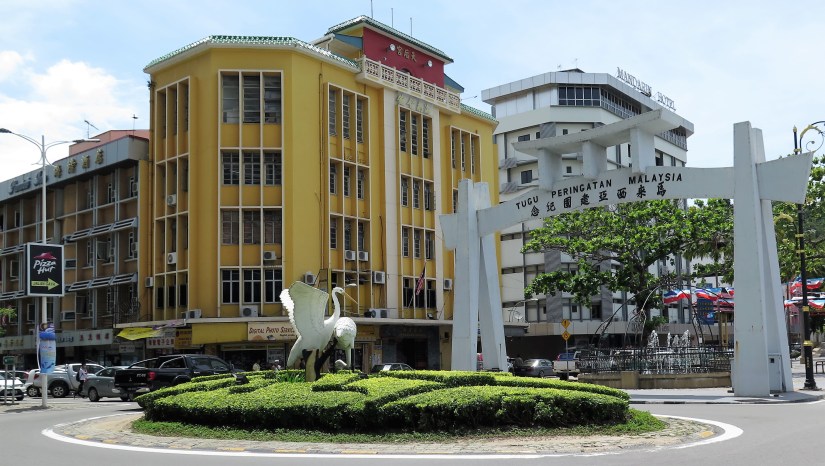
Yet Mr Kechik did no wrong in becoming a Sabah native. The state’s native ordinance gave him that right and so to anyone who lives in Sabah who is indigenous in the peninsular states, Singapore, Indonesia, and the Sulu islands of the Philippine archipelago. Thus Mr Harris’ Berjaya government failed to banish him from Sabah. The courts had ruled for Mr Kechik. But his government did cancel Mr Kechik’s vast timber concession and took from him about 1,000 hectares (2,500 acres) of prime land on the Inanam peninsula, just a few kilometres from the Kota Kinabalu city centre. Sabah’s first university, the Universiti Malaysia Sabah, and a small town are built on it. Mr Kechik too had plans for a township on this piece of land with hotels, shopping complexes and seaside resorts. After 20 years of litigation, the high court awarded Mr Kechik and his Zara company 40m ringgit in compensation. But he had never gotten over the loss of his Zara land project.
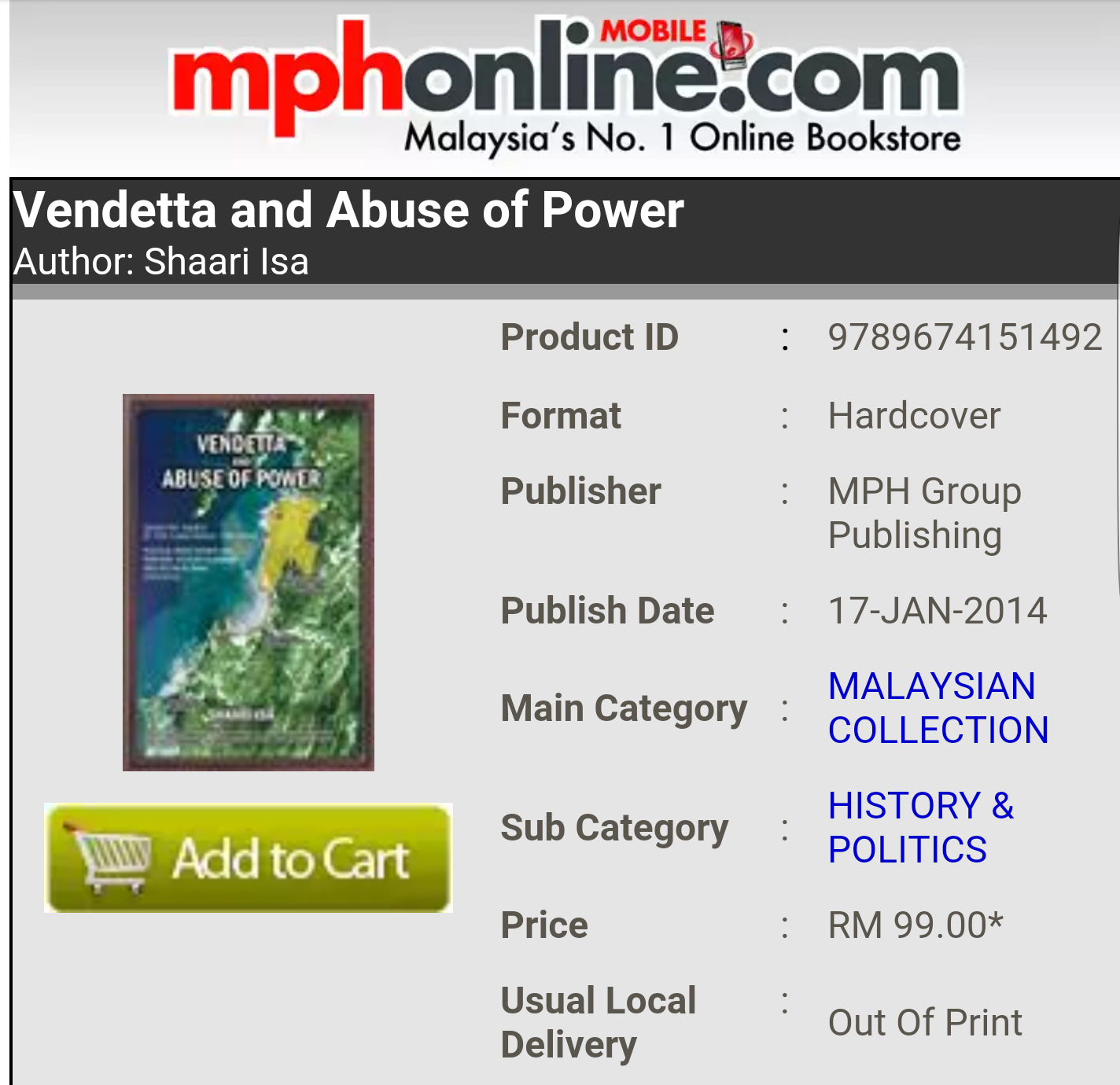
It is now incumbent on Mr Harris to show to the court that he as the chief minister of the day didn’t take away Mr Kechik’s properties out of spite and that he wasn’t a corrupt dictator who had abused his government power as the book written by a Malaysian writer Shaari Isa has alleged. Mr Shaari says his comments about Mr Harris are fair and justified and not defamatory. Coincidentally Vendetta and Abuse of Power, published by the MPH Group two years ago which Mr Harris wants it banned, is out of print. Hearing of the case has been postponed to September 26.

 Sabah Insights