

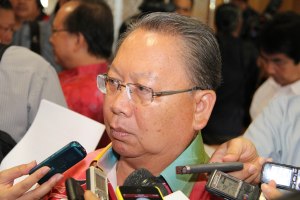
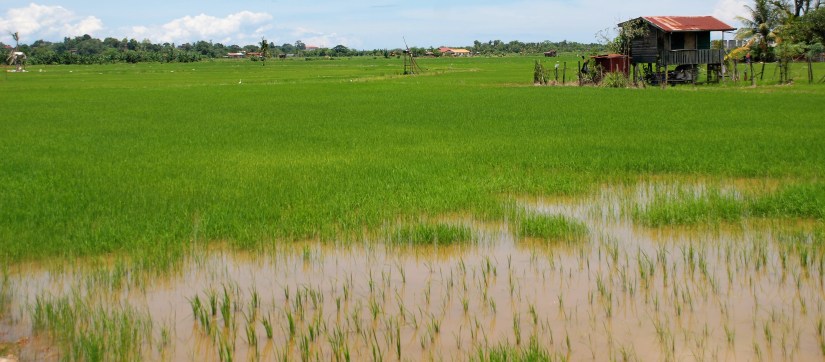
For Bernard Dompok, things don’t always turn out as he wishes. But the 66-year-old indigenous Kadazandusun politician can often count on his lucky stars. Born in the largely rice-growing suburb of Penampang, the heartland of Kadazan nationalism, Mr Dompok was the only Sabah chief minister to have been voted out by his people with a vengence. It wasn’t his first defeat in 1999, though. Voters kicked him out from the Penampang parliamentary seat twice – in 1995 and then in 2013. Yet defeat is sweet for Mr Dompok who has become Malaysia’s first ambassador to the Vatican. He is a Roman Catholic.
His appointment early this year however has been received with mixed feelings in multi-racial Malaysia of 30 million where relations between the Muslims and Christians have been uneasy at times. About three-fifths of the 13-state federation’s people are Muslim Malays. Christians who count ethnic Chinese, Indians and Borneo natives among them, are a minority. They form one-tenth of the population. The rest are Toaists, Buddhists and Hindus. And it has taken 14 years and three prime ministers for Malaysia to set up diplomatic ties with the Vatican. That in itself speaks of the difficulty in Malaysia’s dealing with the Holy See. Prime ministers, starting from Mahathir Mohamad to Badawi Abdullah and Najib Razak have to be careful not to tread on Muslim sensitivity in a country where religion is politicised.
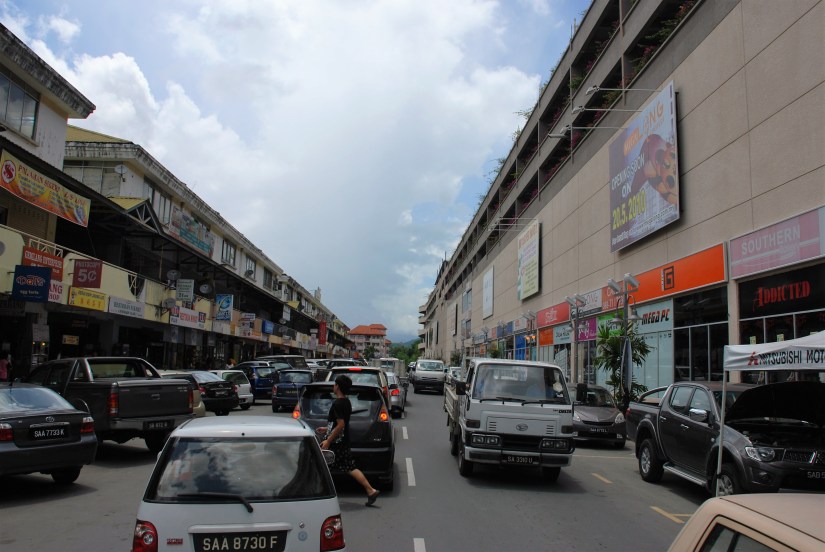
Even in Sabah and Sarawak where the indigenous people are mostly Christians, the response to Mr Dompok’s Vatican job has been muted. In Sabah, most of the largely Roman Catholic Kadazandusuns aren’t very excited over his appointment. They still harbour a grudge against him for contributing to the fall of Joseph Pairin Kitingan’s Parti Bersatu Sabah government in 1994.
The PBS suffered a reversal of political fortune of 1985. Its victory was razor thin, winning 25 of the 48 assembly seats. But together with 16 seats won by Mustapha Harun’s United Sabah National Organisation, they drove the unpopular Parti Berjaya of Harris Salleh out of the government. Berjaya was reduced to six seats. Mr Kitingan’s refusal to honour an election pact with Usno to form a coalition government led to riots. New polls in 1986 swept the PBS convincingly to power.
In 1994, the PBS also won the election by a hairline with 26 seats against 22 of the federally ruling Barisan Nasional coalition. But this time Mr Kitingan’s government collapsed under the weight of defections. Although Mr Dompok didn’t start it, he led a bigger group of defectors who later formed the Parti Demokratik Sabah. The party has sinced changed its name to the United Pasokmomogun Kadazan Dusun Murut Organisation, a failed party of the late Fuad (Donald) Stephens, who was largely credited with the rise of Kadazan nationalism. Fuad dissolved Upko after he lost Sabah’s first election in 1967 to Usno. He and his members then joined Mustapha’s party.
Mr Dompok’s Upko isn’t even a shadow of Mr Stephens’. Far from uniting the Kadazandusuns and Muruts, it has succeeded in dividing them. And 17 years later, the new Upko is stuck with just three parliamentary and four state seats. In its maiden federal outing in 1995, Mr Dompok’s party was trounced by PBS which was then in the opposition. The PDS didn’t win a single seat. In 1999 it contested 12 state seats but won only two. The Parti Bersatu Rakyat Sabah, another tiny splinter party, has one parliamentary and one state seat.
The PBS remains the strongest of the non-Malay parties with four parliamentary and seven state seats. But it’s just a weak shadow of its old self. Although it’s multiracial, it draws much of its support from the Kadazandusuns, Muruts and ethnic Chinese.
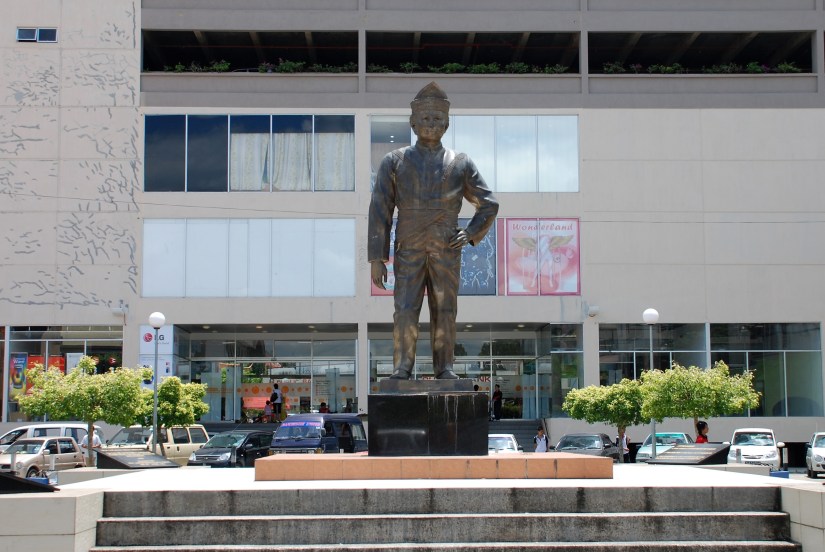
Mr Dompok has neither the charisma of Mr Stephens nor that of Mr Kitingan. And neither that of the late Peter Mojuntin whose statue stands erect in Penampang. He died with Mr stephens in a plane crash in 1976 shortly after his then popular Berjaya party won the state polls. Nevertheless Mr Dompok’s supporters credit him for the royal commission on illegal immigrants and speaking up on government matters that concern Christians such as the ban on non-Muslims from using the word Allah to refer to their God.
He has surely emerged as a big winner in setting up his splinter party and quitting it at the right time two years ago. And Mr Dompok has been well rewarded. He served nine years as a federal minister – four in the prime minister’s department and five in the ministry of plantation industries and commodities which somehow positioned him well for the Vatican job.

 Sabah Insights