
Illegal immigrants in Sabah: A slow boat to nowhere
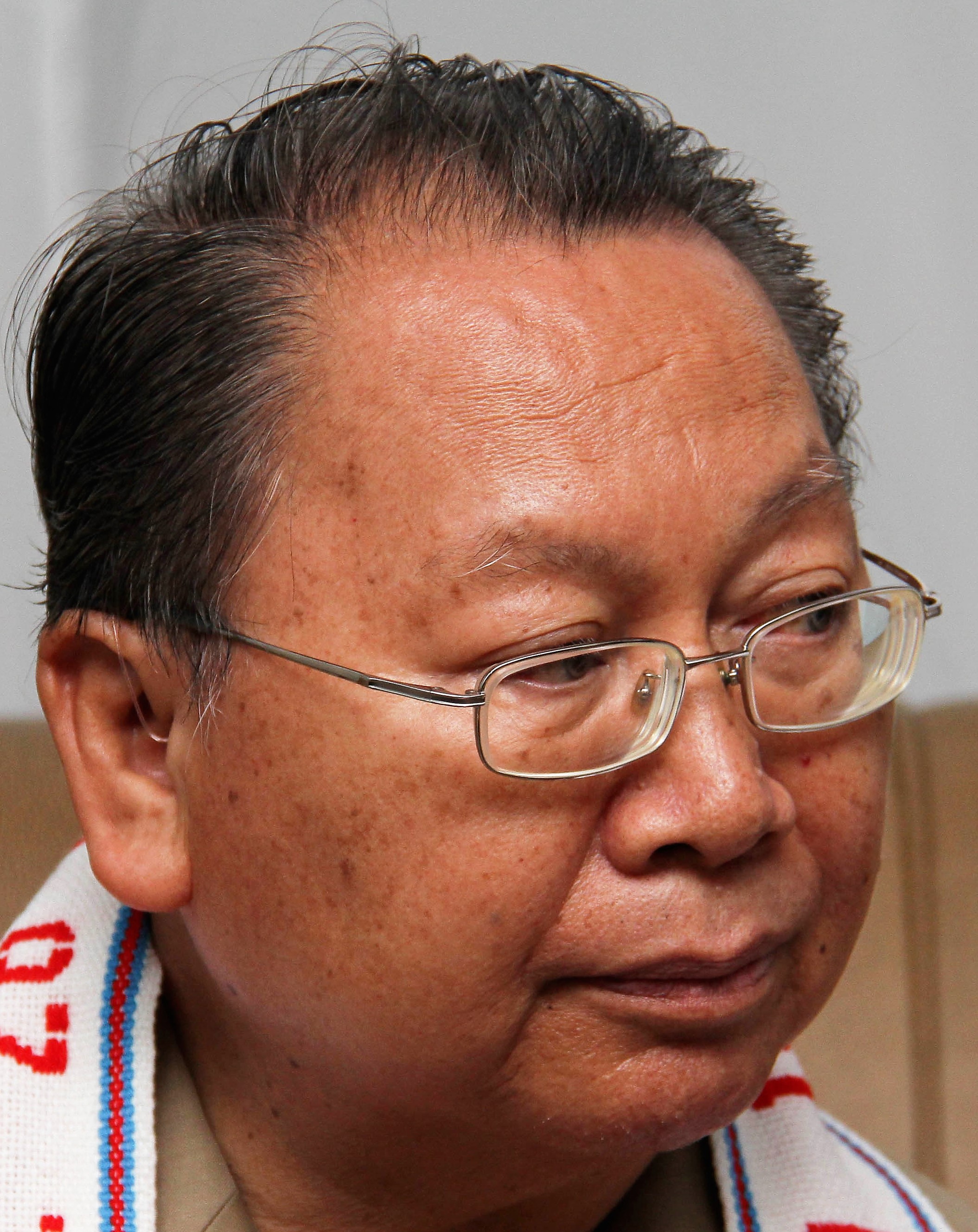
Talk, of course, is cheap. And in Joseph Pairin Kitingan’s words, “easy”. But Sabahans don’t need their deputy chief minister to tell them so. What they want to know from him is what has he been doing for the past one year since he chaired a “technical committee” to look into the recommendations of the Royal Commission of Inquiry into illegal immigrants in their state.
Understandbly Mr Kitingan was upset when his federal minister Joseph Kurup criticised him for his “inaction” to which he retorted that he wasn’t sleeping on his job. Mr Kitingan took offence to Mr Kurup’s attack because he thought that comrades (both are in the nationally ruling Barisan Nasional coalition) should support each other. Mr Kurup was his junior in his Parti Bersatu Sabah which ruled the resource-rich north Borneo island state from 1985 to 1994. But he now leads a splinter group in the tiny Parti Bersatu Rakyat Sabah that was formed in the aftermath of defections from the PBS which felled Mr Kitingan’s government.

Mr Kitingan has become particularly edgy in the face of criticisms from opposition politicians and stakeholders of his handling of the illegal immigrants because it is him who first called for an end to problems posed by migrants mostly from the Southern Philipines and Indonesia when his PBS came to power 30 years ago. Since then Sabah’s demographics and voting patterns have changed drastically with its population growing three folds to 3.3 million who include indigenous Kadazan-dusuns and muruts, Bajaus, Malays and ethnic Chinese.
It has taken 27 years before prime minister Najib Razak in August 2012 yielded to Sabah’s demands for a royal commission of inquiry into the problems of illegal immigration. Popularly refered to as the RCI, the inquiry has been painstakingly slow in coming up with a definitive solution. After questioning 211 witnesses in nine months of hearing, the RCI published a 366-page report on December 3 last year which has raised more questions than answers.
It however says it has found two proposals to be unmanageable: cancelling illegally issued identity cards and introducing a Sabah identity card for natives. The commission notes that the first is meritorious but says it would be difficult to know which ones are issued illegally. And no one can say for sure how a Sabah identity card can be introduced.
A third proposal to set up a permanent committee to “oversee immigrants in Sabah” has been accepted. It is chaired by the home minister and the Sabah chief minister. It has set up a technical committee to carry out its work of resolving the illegal immigration problem. And they couldn’t have found a better man to head it.
But Mr Kitingan is a slow worker. Soft spoken with a calm disposition, he has always been slow in making decisions. Being fickle, he has to be prodded into making them. Many who were with him in his PBS government derided his “kitchen cabinet” where most of his decisions were made – or changed. His wife Genevieve, being the “chef”, had the final say. So, Mr Kitingan’s ministers got their wives to join the kitchen wives’ club to get on the good side of Mr Kitingan’s wife. And all they had to do to get what they wanted was to get their wives to whisper into Mrs Kitingan’s ears.
Mr Kurup’s wife was one of them. But his wife doesn’t belong to them any more and that probably explains his public tantrum.
Mr Kitingan can’t say when his definitive report of his committee’s recommendation would be ready to be sent to the permanent secretariat for a decision. “I am working on the report,” he said in his trade mark manner. “You will know when it’s out.”

 Sabah Insights